The Ultimate Guide to Bed Types: Which Bed Suits Me? (Latest for 2025)
Jul 28, 2025
The place where we start and end our day is the bed. More than just a piece of furniture for sleeping, a good night's sleep and quality of life pivot on the bedroom, with the bed at its center. But when it comes to choosing a bed, the variety of bed types can be overwhelming, making it difficult to know where to start.
Beds can be broadly categorized based on three criteria: frame type, mattress type, and size. This article caters to newlyweds planning to buy a bed, those moving or decorating their bedroom interior, and anyone trying to decide which bed is right for them. We'll provide a clear explanation of the various bed types, their characteristics, pros and cons according to these three criteria, guiding you to make a regret-free bed selection.
Characteristics of Bed Frame Types
Finding the most suitable frame means considering more than just design; there are three important factors. First is the size of the space and its intended use. Storage or low platform types are beneficial for small rooms, while standard or family beds are great for larger spaces. Bunk/loft beds utilize vertical space efficiently. Second is functionality. A motion bed is ideal for activities like reading or watching TV in bed, and for warmth, consider stone/earth beds. Third is safety and durability. A low bed is good for children, while robust support needs checking of frame material and structure. Compare the features of each frame thoroughly below to find the perfect bed for your lifestyle.
Standard Bed Frame

This is the most common type with a basic structure supporting the mattress.
It offers a wide range of designs and materials (wood, metal, fabric, etc.). There's room underneath, making it easy to clean.
Advantages | Disadvantages |
Wide range of design options | Dust can accumulate underneath |
Available at various price points | No storage function |
Easy to clean under |
Who prefers this? Those who prefer a clean and basic design, people with spacious bedrooms.
Low Platform Bed Frame
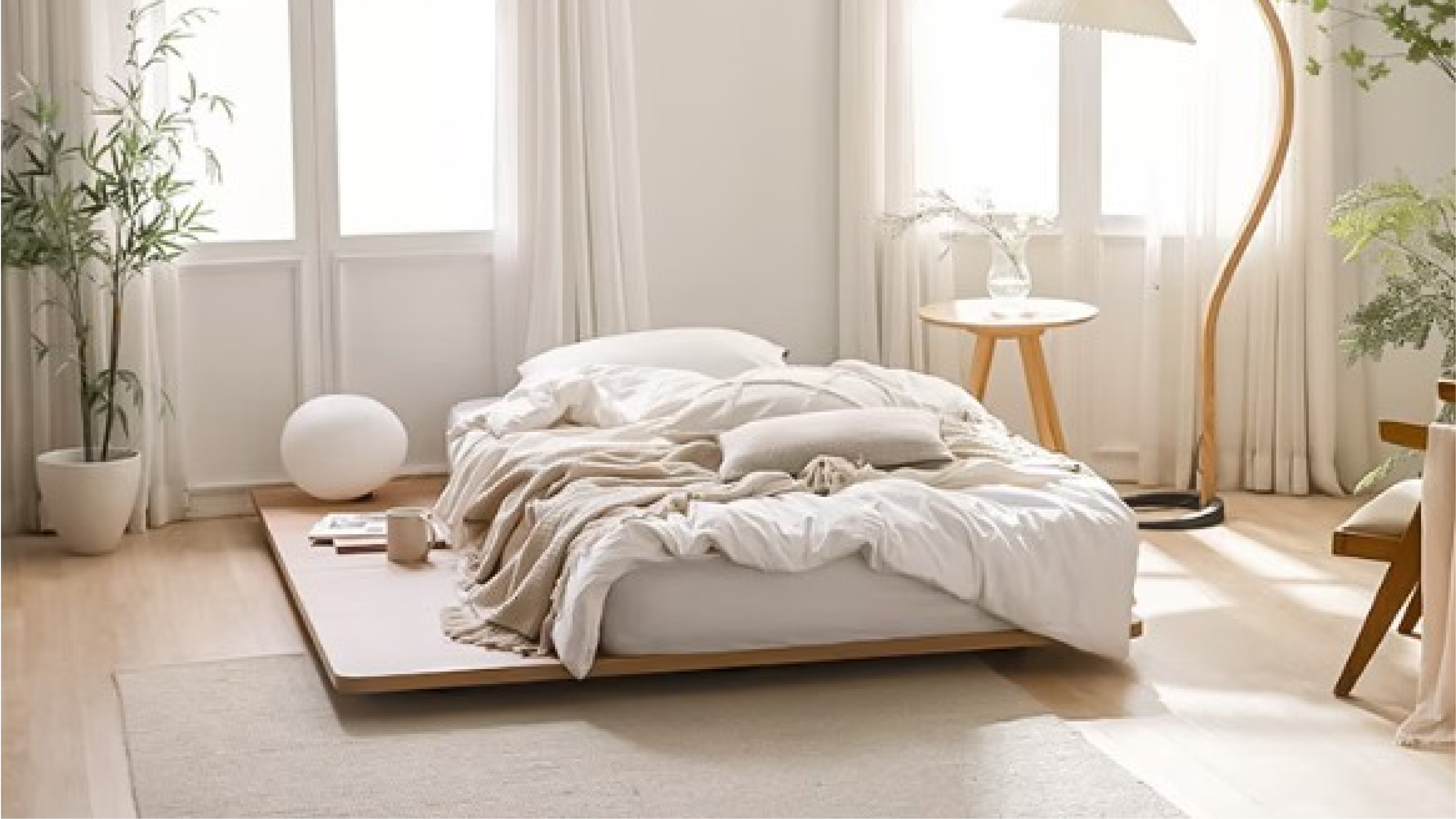
Designed close to the floor, making it lower in height.
It creates a visual effect of making the bedroom appear larger and enhances safety.
Advantages | Disadvantages |
Makes space look larger | Cleaning under the bed can be difficult |
Safe for homes with children | Might lack storage space |
Creates a cozy atmosphere |
Who prefers this? Homes with children, those wanting to make a small room appear larger, fans of modern and minimal bedroom interior.
Storage Bed Frame
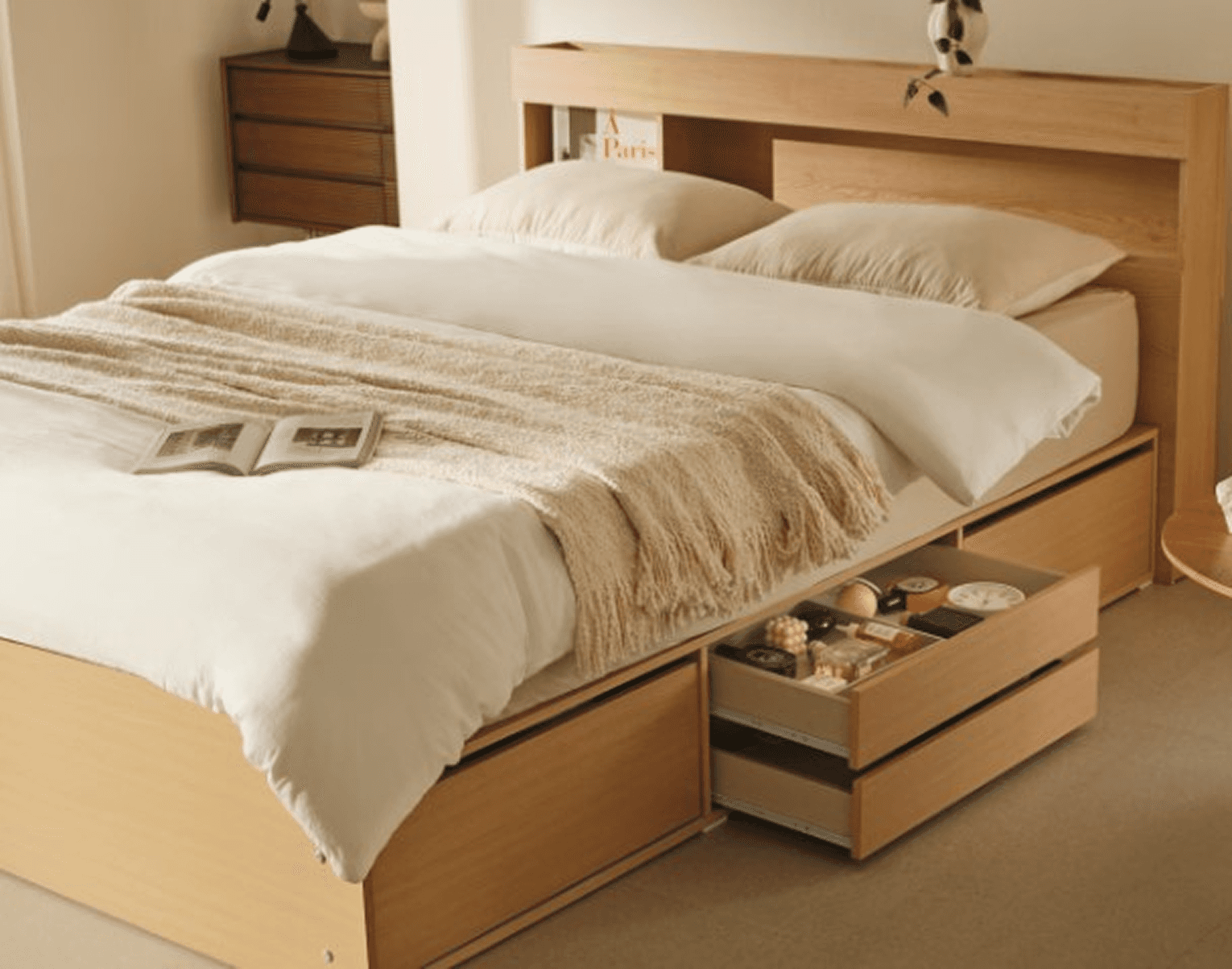
A frame with drawers, shelves, or integrated storage space beneath.
Maximizes the usability of bedroom space.
Advantages | Disadvantages |
Exceptional storage capability | Can be more expensive than standard types |
Reduces the need for separate storage furniture | Limited design options |
Who prefers this? Those who need storage in a small room, people who want to neatly organize seasonal clothes or bulky items.
Motion Bed (Electric Bed)
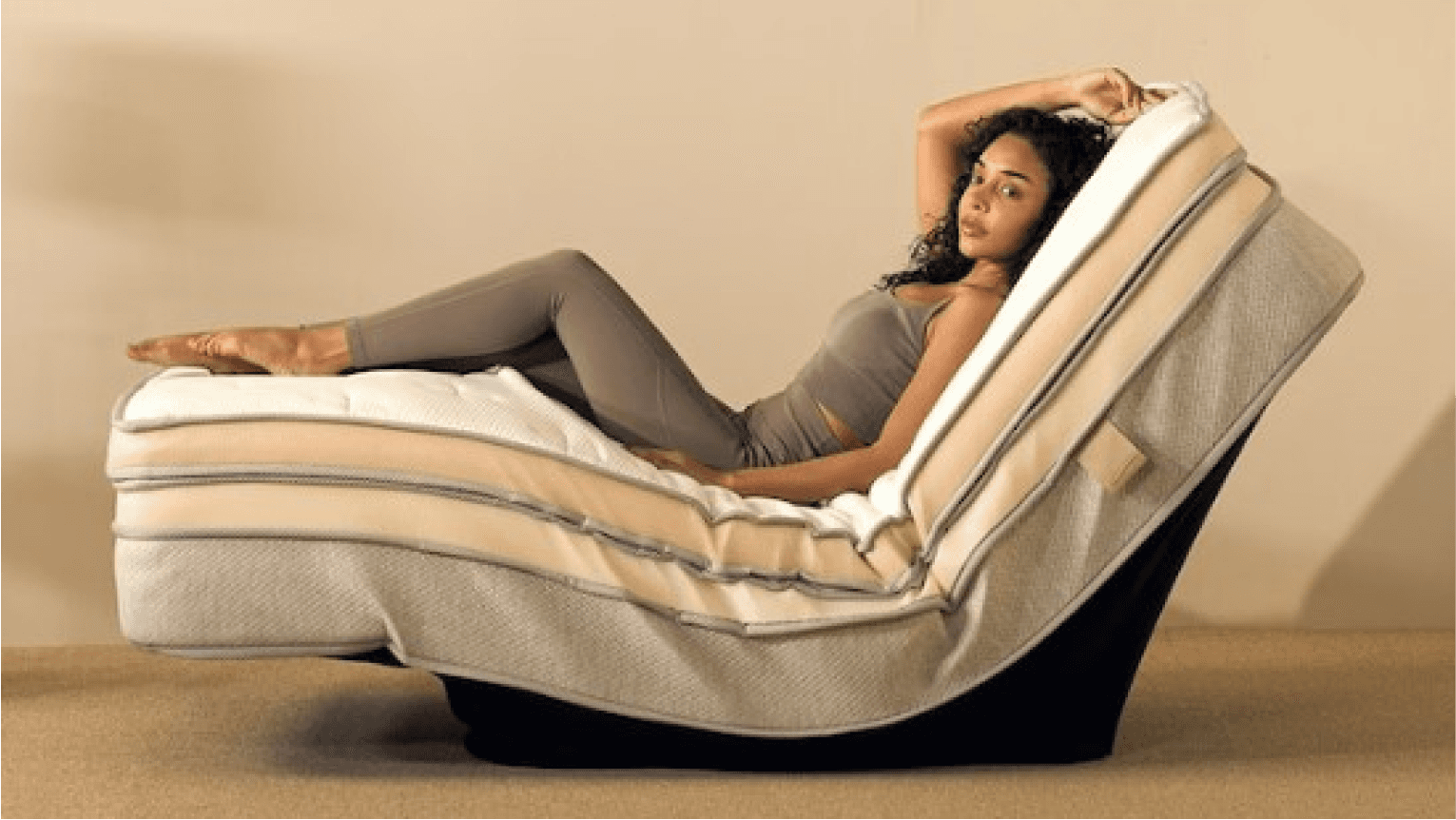
A bed whose head or foot sections can be adjusted with an electric motor.
Allows comfortable positions for reading or watching TV and supports improved sleep quality by alleviating snoring.
Advantages | Disadvantages |
Maximizes comfort with adjustable positions | Expensive |
Enhances quality of sleep and rest | Requires a power connection |
Heavier than regular beds |
Who prefers this? Those who engage in various activities like reading or watching movies in bed, people who value sleep quality, those needing a comfortable posture due to back/neck pain.
Family Bed

The type involves using two or more mattresses together for a wider layout, ideal for families sleeping with children.
Provides ample space to sleep safely and comfortably with children. Many have a low design for safety.
Advantages | Disadvantages |
Great for family use | Takes up considerable bedroom space |
Reduces risk of children falling off | Can be difficult to separate later |
Provides a spacious feel |
Who prefers this? Families with young children, those who want comfortable sleep in a wide bed.
Bunk/Loft Bed (Detachable)
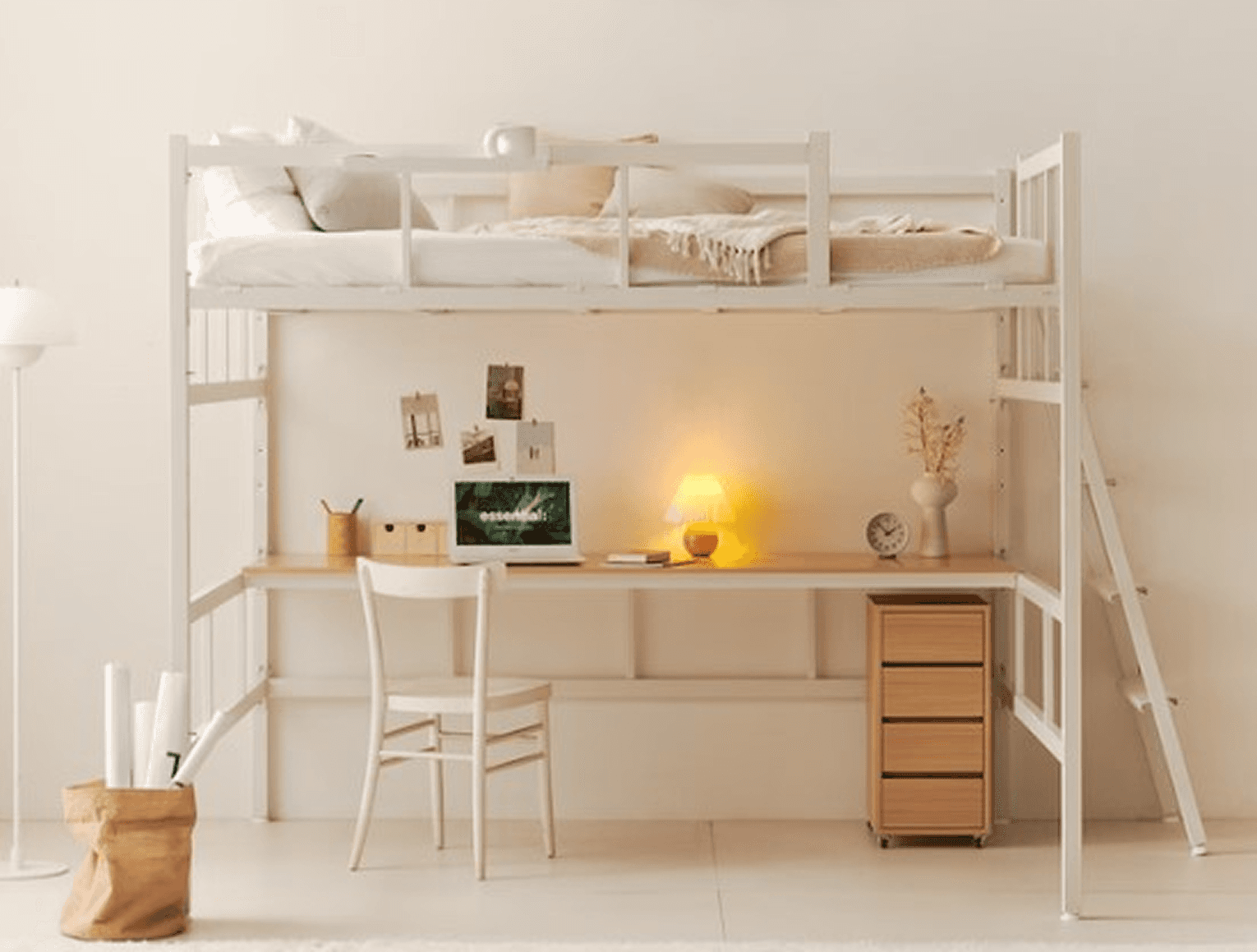
A space-maximizing form that can use the area above or below the bed.
Utilizes vertical space to provide both bedroom and study/play areas in small rooms.
Advantages | Disadvantages |
Maximizes efficiency in small spaces | Safety concerns |
Useful in children's rooms | Going up and down the bed can be inconvenient |
Allows for unique interior design |
Who prefers this? Children's rooms, people needing space for activities other than sleeping in small areas.
Stone Bed & Earthen Bed
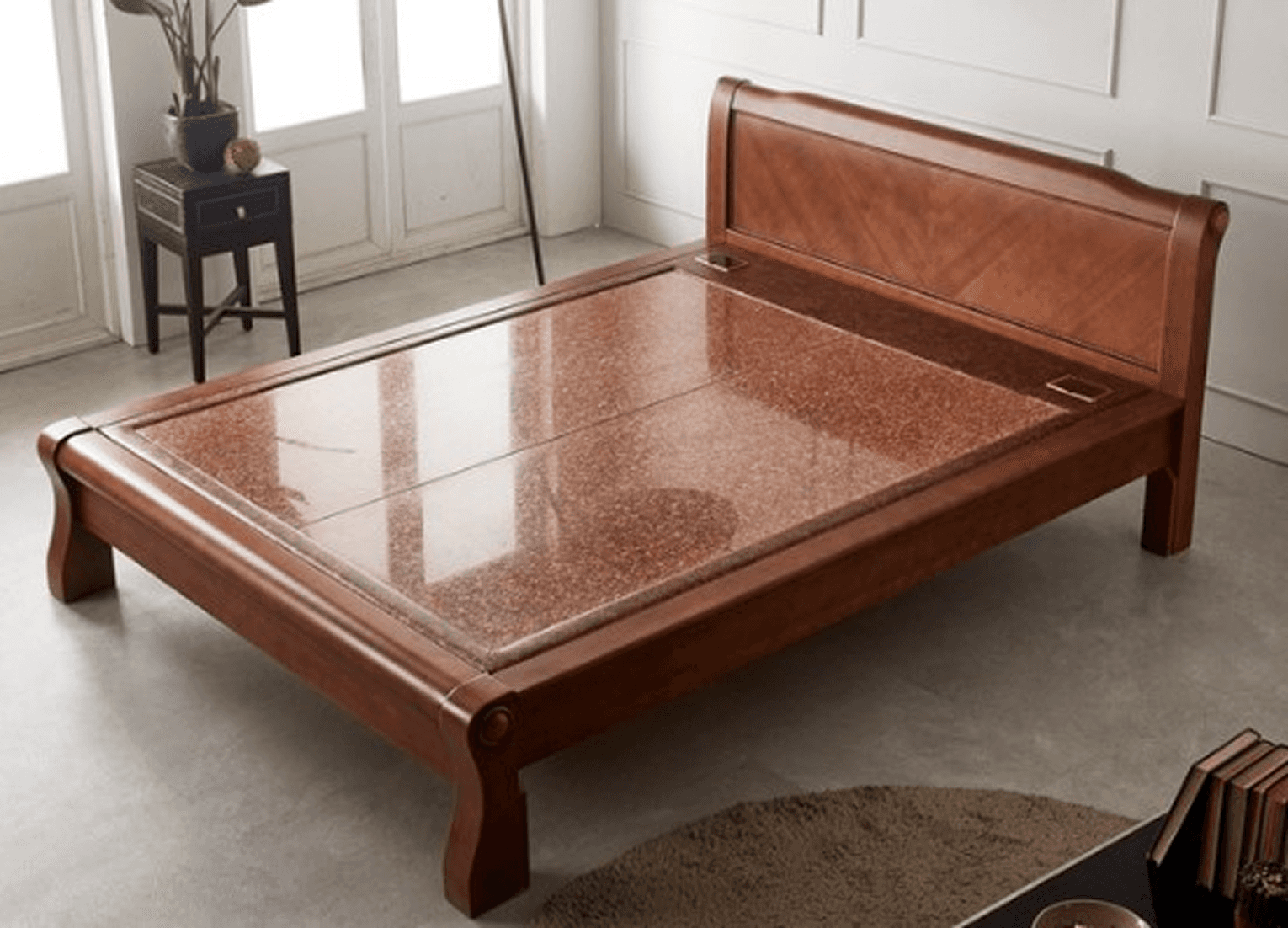
A bed utilizing slabs made of stone or clay, characterized by its heat features.
Eco-friendly using natural materials, it provides a warm sleep with heating elements. Known for acupressure effects and improving circulation.
Advantages | Disadvantages |
Provides warmth with heating function | Very expensive |
Helps acupressure and circulation improvement | Heavy and hard to move |
Highly durable (nearly permanent use) | Might be too hard for some people |
Made from eco-friendly materials |
Who prefers this? People who prefer a warm sleeping environment, seniors concerned about back health, those who prefer natural materials.
Robotics Bed
Incorporates robotics technology to automatically move the bed up to the ceiling and down.
A new type of bed incorporating the latest technology. At night, the bed lowers for bedroom use, and during the day, it raises to the ceiling to use the created space like a living room.
Advantages | Disadvantages |
High space efficiency | Very expensive |
Can variably use space by converting it | Heavy and hard to move |
Futuristic atmosphere |
Who prefers this? Those who understand the value of space occupied by beds, people wanting versatility in their living space, those willing to invest in their personal space.
Characteristics and Selection Guide of Mattress Types
As important as the bed frame is the type of mattress. Your choice greatly impacts sleep quality.
Spring Mattress
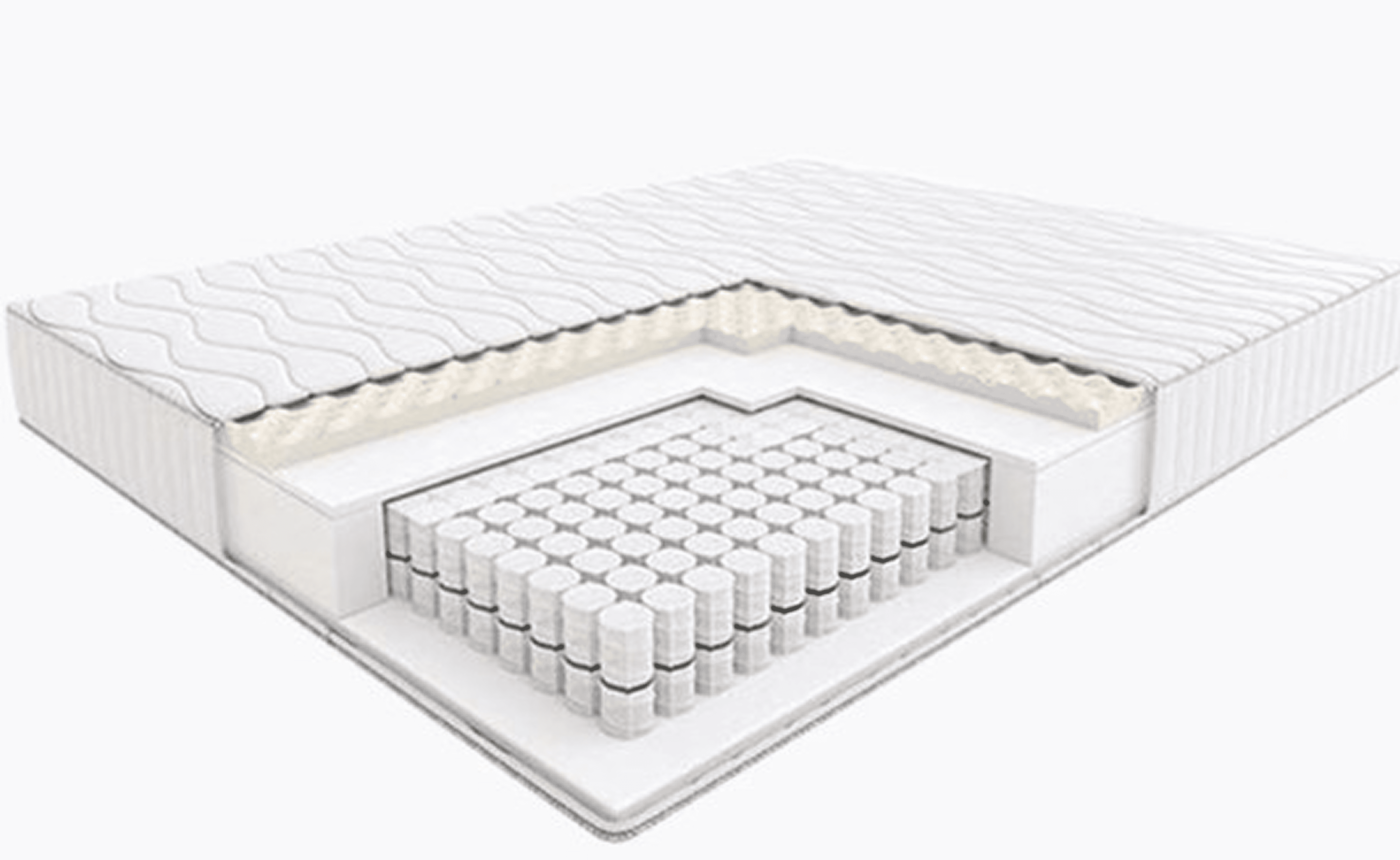
The most traditional type, where inner springs provide body support. Bonnell springs and pocket springs are representative types.
Advantages | Disadvantages |
Good breathability | Can cause motion transfer (Bonnell) |
Provides excellent support | Possible noise (if old) |
Relatively affordable (Bonnell) |
Who prefers this? Those who prefer firm support, people who value breathability.
Memory Foam Mattress

A resilient material that molds to the body based on heat and weight.
Advantages | Disadvantages |
Excellent pressure relief | May have poor breathability |
Minimal motion transfer | Initial odor |
Hugs the body warmly | Can be pricey |
Who prefers this? Those who prefer soft cushioning, people sensitive to others' movements.
Latex Mattress
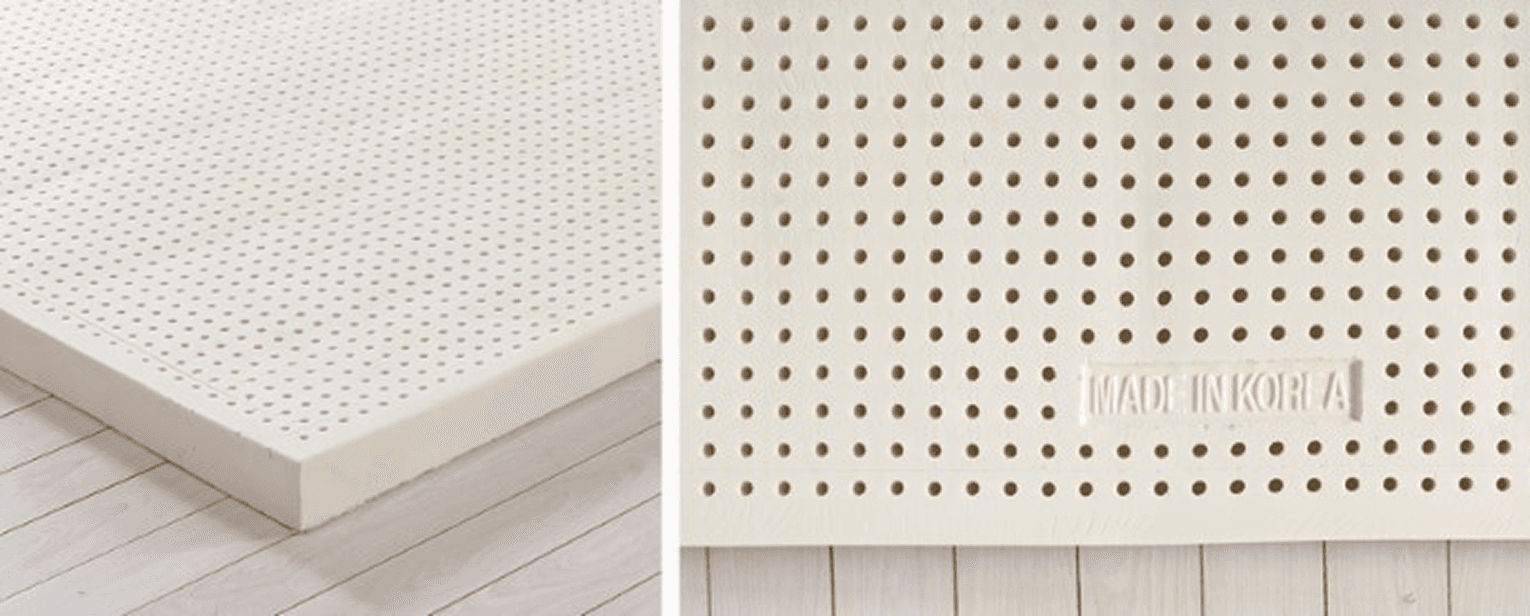
Advantages | Disadvantages |
Excellent resilience and recovery | Expensive |
Antibacterial and prevents mite growth | Rubber smell |
Comparatively long lifespan | Heavy |
Vulnerable to direct sunlight |
Who prefers this? Those preferring eco-friendly materials, people who like bouncy support, those with allergies.
Hybrid Mattress
A mattress combining the benefits of materials like springs and memory foam/latex.
Advantages | Disadvantages |
Enjoys the benefits of more than two materials | Most expensive |
Balanced support and comfort | Heavy |
Who prefers this? Those who want to enjoy the benefits of various materials rather than just one, those pursuing ultimate comfort.
Bed Size Guide: Find the Perfect Fit for Your Home
Selecting the bed size is crucial as it dictates sleep quality and how effectively bedroom space is utilized. Before deciding, consider these two factors. First, the number and stature of users. Even if using alone, you may want a super single (SS) over a single (S) for more space, and for two adults, choose at least a queen (Q). If you have a larger frame or sleep with children, a king (K) or large king (LK) is essential. Second, the size of your room and layout. A larger bed can make a room feel cramped and block paths. Ensure at least 60-70cm clearance between the bed and other furniture or walls. Remember, bed size is hard to change once bought. Use the detailed guide below to find a bed that fits your sleeping environment and space perfectly.
✓ Single (S)
Size: Approximately 100x200cm
Features: The smallest for one person.
Recommended for: Small studio apartments, children's rooms, independent individuals.
✓ Super Single (SS)
Size: Approximately 110x200cm
Features: About 10cm wider than a single, offering more space for one person.
Recommended for: Individuals, growing teens, those with fairly small bedrooms.
✓ Double (D)
Size: Approximately 135x200cm
Features: The minimum size for two adults, might feel tight.
Recommended for: Small newlywed couples, two in small bedrooms.
✓ Queen (Q):
Size: About 150x200cm
Features: The most common size for two adults.
Recommended for: General newlyweds, adult pairs.
✓ King (K)
Size: About 160x200cm
Features: 10cm wider than a queen, offering much more space for two.
Recommended for: Pairs wanting more space than a queen, larger bodied pairs.
✓ Large King (LK) / California King
Size: At least 180x200cm (varies by brand)
Features: The largest size, ideal for those who sleep with children or prefer lots of space.
Recommended for: Families with young children, those with very large bedroom spaces.
Choosing the Right Bed for You: Checklist
It's time to ask practical questions to find the perfect bed for you.
✓ What is my space? (Most important!)
Measure the exact width and length of the space for the bed. Check for any interference with doors or windows.
If the room is small, consider a low platform bed or storage bed first.
✓ Who will I use the bed with?
Just myself? With a partner? With children? This determines your bed size. For newlyweds, consider a queen or king size, and if children are involved, look into family beds or large kings.
✓ What are my sleep habits?
What is your usual sleeping position, do you have back or shoulder discomfort, or are there sensitivities to noise or motion? Use this to choose the mattress type. If bed activities are plentiful, like reading or watching TV, a motion bed can be a good choice. If you like warm sleeping environments or have back health concerns, consider stone/earthen beds.
✓ What ambiance do I want?
Select the bed frame material and design to match the overall concept of your bedroom interior. Pre-defining your desired look, be it modern, minimal, or natural, makes choices easier.
✓ Start Smart Bed Shopping!
Since a bed is used for a long time once bought, careful selection is crucial.
Instore visits are essential: While online info is valuable, visiting a store to lie on and feel the mattress cushioning and frame stability is most important.
Do plenty of comparing: Compare beds and mattresses from various brands, and ask for explanations from staff to clear any doubts.
Set a budget: Setting a budget in advance narrows options and ensures efficient shopping.
Bed Purchase, Frequently Asked Questions (FAQ)
We have compiled a list of questions that many people wonder about before purchasing a bed.
A bed is a precious space where we spend one-third of our lives. Refer to the bed types guide shared today to find the most suitable bed for you, and greet each day energetically with a comfortable sleep every night!
Q
What is the best material for a bed frame?
A
Bed frame materials can largely be categorized into wood, metal, fabric, and leather.
Wood: It's durable, offering a warm and natural feel.
Metal: Modern and simple, it is sturdy and offers good breathability.
Fabric: Creates a cozy and inviting atmosphere and is comfortable to lean against on the headrest.
Leather: Provides a luxurious and refined look and is relatively easy to maintain.
It is important to choose based on the pros and cons of each material and your bedroom's interior concept.
Q
What is the lifespan of a bed mattress?
A
The lifespan of a mattress varies based on usage frequency, maintenance methods, and materials, but generally, spring mattresses last about 8-10 years, while memory foam or latex mattresses last about 10-15 years. If you feel that the mattress's elasticity or support has weakened, or if you wake up feeling uncomfortable, you should consider replacing it.
Q
How do you arrange a bed and other furniture together in a small room?
A
It is advisable to reduce the bulkiness of the bed and increase storage capacity by using low-profile or storage beds. Position the bed against the wall to secure movement space, and choose low furniture rather than tall ones to keep the view unobstructed. Using wall shelves or built-in cabinets is also a good method.
Q
Should I make sure to check the AS or warranty period when purchasing a bed?
A
Yes, it is very important. Since a bed is an expensive piece of furniture, be sure to check the after-sales service policy, warranty period, and return/exchange conditions before purchasing. Especially for mattresses, carefully examine whether there is a good warranty for initial defects or sagging issues.
Q
Is a headboard necessary for a bed?
A
It's not essential, but a headboard can complete the bedroom's decor and serves a functional role.
Design element: It becomes an important design element that influences the bedroom's atmosphere.
Convenience: Provides comfort when leaning against it for reading or relaxing in bed.
Protection: Prevents direct contact with walls, helping to avoid wall stains.
If the room is small, it's better to choose a foundation without a headboard or one with a simple headboard design.
Product
The Ultimate Guide to Bed Types: Which Bed Suits Me? (Latest for 2025)
View List
" width="120.00000356495207px"><path d="M 10.27 5.284 C 9.712 4.897 8.484 4.077 6.787 4.077 C 5.559 4.077 5.157 4.35 5.157 4.806 C 5.157 5.375 5.604 5.603 8.104 6.377 C 10.627 7.152 12.324 8.518 12.324 11.343 C 12.324 14.167 10.158 16.445 6.14 16.445 C 2.768 16.445 1.049 15.237 0 14.44 L 1.786 10.842 C 2.434 11.411 3.818 12.459 5.715 12.459 C 6.943 12.459 7.524 12.14 7.524 11.593 C 7.524 10.978 7.077 10.728 4.644 9.908 C 2.188 9.088 0.447 7.835 0.447 5.102 C 0.447 2.095 2.858 0.182 6.542 0.182 C 9.734 0.182 11.185 1.275 11.967 1.822 Z M 18.598 1.497 L 18.598 4.163 L 21.165 4.163 L 21.165 7.602 L 18.598 7.602 L 18.598 10.978 C 18.598 12.322 19.133 12.732 20.183 12.732 C 20.652 12.732 21.031 12.618 21.165 12.55 L 21.165 16.08 C 20.964 16.171 20.093 16.445 18.977 16.445 C 15.896 16.445 14.199 15.306 14.199 11.525 L 14.199 7.602 L 12.324 7.602 M 27.171 9.429 C 27.729 9.429 28.153 9.475 28.354 9.475 L 28.354 9.407 C 28.354 8.473 27.863 7.972 26.568 7.972 C 25.027 7.972 24.001 8.678 23.554 9.111 L 22.17 6.423 C 22.862 5.74 24.425 4.533 27.439 4.533 C 31.167 4.533 32.551 6.537 32.551 9.589 L 32.551 16.171 L 28.577 16.171 L 28.577 15.032 L 28.533 15.032 C 28.176 15.534 27.461 16.445 25.385 16.445 C 23.308 16.445 22.147 15.237 22.147 12.96 C 22.147 10.682 24.224 9.429 27.171 9.429 Z M 27.126 13.233 C 27.885 13.233 28.198 12.937 28.354 12.8 L 28.354 11.73 L 27.595 11.73 C 26.635 11.73 26.211 11.98 26.211 12.504 C 26.211 12.96 26.546 13.233 27.126 13.233 Z M 45.722 14.326 C 45.722 18.677 43.624 21 38.667 21 C 36.122 21 34.515 19.975 33.957 19.474 L 35.252 16.171 C 35.72 16.581 36.747 17.424 38.444 17.424 C 40.654 17.424 41.503 16.467 41.503 14.919 L 41.503 14.577 L 41.458 14.577 C 41.257 14.919 40.498 15.943 38.489 15.943 C 35.787 15.943 33.934 14.235 33.934 10.204 C 33.934 6.172 36.055 4.533 38.623 4.533 C 40.453 4.533 41.235 5.489 41.525 5.945 L 41.57 5.945 L 41.57 4.806 L 45.722 4.806 Z M 39.985 12.345 C 40.788 12.345 41.168 11.935 41.324 11.707 L 41.324 8.678 C 41.168 8.45 40.811 8.04 40.029 8.04 C 39.114 8.04 38.422 8.678 38.422 10.204 C 38.422 11.73 39.069 12.345 39.985 12.345 Z M 52.688 4.533 C 55.948 4.533 57.779 6.4 57.779 10.272 L 57.779 11.434 L 51.349 11.434 C 51.55 12.413 52.264 12.983 53.648 12.983 C 55.233 12.983 56.082 12.322 56.484 12.003 L 57.801 14.85 C 57.153 15.442 55.747 16.445 52.889 16.445 C 49.384 16.445 47.084 14.531 47.084 10.432 C 47.084 6.332 49.674 4.533 52.688 4.533 Z M 51.304 9.202 L 54.005 9.202 C 54.005 8.496 53.626 7.903 52.733 7.903 C 51.974 7.903 51.416 8.359 51.304 9.202 Z M 63.74 5.831 L 63.784 5.831 C 64.231 5.307 65.146 4.532 66.91 4.532 C 69.076 4.532 70.772 5.831 70.772 9.019 L 70.772 16.171 L 66.374 16.171 L 66.374 9.726 C 66.374 8.632 65.95 8.154 65.101 8.154 C 64.432 8.154 63.963 8.518 63.74 8.792 L 63.74 16.171 L 59.341 16.171 L 59.341 0 L 63.74 0 Z M 77.18 9.429 C 77.738 9.429 78.162 9.475 78.363 9.475 L 78.363 9.407 C 78.363 8.473 77.872 7.972 76.577 7.972 C 75.036 7.972 74.01 8.678 73.563 9.111 L 72.179 6.423 C 72.871 5.74 74.433 4.533 77.448 4.533 C 81.176 4.533 82.56 6.537 82.56 9.589 L 82.56 16.171 L 78.586 16.171 L 78.586 15.032 L 78.541 15.032 C 78.185 15.534 77.47 16.445 75.394 16.445 C 73.317 16.445 72.157 15.237 72.157 12.96 C 72.157 10.682 74.233 9.429 77.18 9.429 Z M 77.135 13.233 C 77.894 13.233 78.207 12.937 78.363 12.8 L 78.363 11.73 L 77.604 11.73 C 76.644 11.73 76.22 11.98 76.22 12.504 C 76.22 12.96 76.555 13.233 77.135 13.233 Z M 88.521 5.945 L 88.566 5.945 C 89.013 5.398 89.928 4.533 91.87 4.533 C 94.081 4.533 95.778 5.854 95.778 8.951 L 95.778 16.171 L 91.379 16.171 L 91.379 9.726 C 91.379 8.632 90.955 8.154 90.107 8.154 C 89.415 8.154 88.968 8.518 88.745 8.792 L 88.745 16.171 L 84.346 16.171 L 84.346 4.806 L 88.521 4.806 Z M 108.993 16.171 L 104.84 16.171 L 104.84 15.032 L 104.796 15.032 C 104.528 15.442 103.769 16.445 101.715 16.445 C 98.946 16.445 97.205 14.509 97.205 10.523 C 97.205 6.537 99.304 4.532 101.938 4.532 C 103.657 4.532 104.282 5.33 104.551 5.626 L 104.595 5.626 L 104.595 0 L 108.993 0 Z M 103.323 12.778 C 104.082 12.778 104.439 12.368 104.595 12.14 L 104.595 8.769 C 104.439 8.518 104.082 8.108 103.323 8.108 C 102.385 8.108 101.693 8.837 101.693 10.341 C 101.693 12.003 102.362 12.778 103.323 12.778 Z M 118.594 8.609 C 118.08 8.268 117.098 7.698 115.647 7.698 C 114.798 7.698 114.597 7.835 114.597 8.086 C 114.597 8.382 114.909 8.541 116.808 8.997 C 118.661 9.475 120 10.363 120 12.504 C 120 14.827 118.125 16.445 114.999 16.445 C 112.298 16.445 110.936 15.511 110.355 15.101 L 111.494 11.958 C 112.029 12.368 113.123 13.096 114.664 13.096 C 115.534 13.096 115.78 12.891 115.78 12.664 C 115.78 12.322 115.445 12.208 113.659 11.684 C 111.895 11.183 110.578 10.341 110.578 8.222 C 110.578 5.831 112.7 4.533 115.445 4.533 C 117.79 4.533 119.017 5.193 119.755 5.671 Z" fill="rgb(1, 1, 0)" height="20.99984793941212px" id="LTTkgcWV4" transform="translate(0 0)" width="120.00000356495207px"/></g></svg>)